
Restoring a historic or older home is a labor of love that requires a delicate balance between preserving the past and introducing modern functionality. While homeowners often invest a significant amount of time into restoring original hardwood floors, reviving intricate plaster work, and sourcing period-correct hardware, one crucial element is frequently overlooked until the very end: lighting.
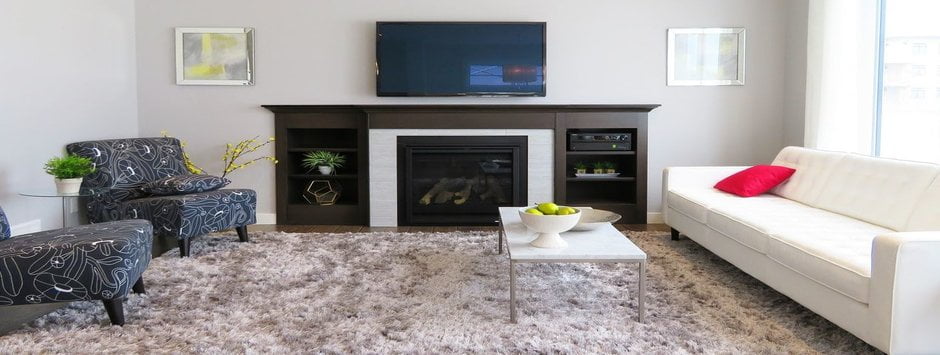
Lighting is not merely a utility designed to keep you from tripping in the dark; it is a powerful design tool capable of altering the entire perception of a space. In the context of home restoration, employing dramatic lighting techniques allows you to highlight architectural triumphs, create emotional depth, and bridge the gap between historic charm and contemporary luxury. Here is how you can use dramatic lighting to transform your restoration project into a visual masterpiece.
1. Understanding the Philosophy of Dramatic Lighting
Before installing fixtures, it is essential to understand what makes lighting dramatic. In interior design, drama is created through contrast—specifically, the intentional interplay between light and shadow.
Moving Beyond Uniform Illumination
Modern construction often relies on uniform illumination, where rows of recessed spotlights flood a room with bright, even light. While practical, this approach flattens the appearance of a room and strips an older home of its character. Dramatic lighting, conversely, uses shadows to create depth, mystery, and focus. By intentionally leaving certain areas in soft shadow, you draw the eye directly to the architectural features you want to celebrate.
Respecting the Era of the Home
Every historical architectural style had a specific relationship with light. Pre-electric homes relied on large windows, mirrors, and candlelight, which naturally created a soft, flickering, and intimate glow. When restoring a home, your lighting scheme should pay homage to these origins. The goal is not to replicate the dimness of the past, but to capture its mood using sophisticated, modern technology.
2. Layering Light to Highlight Architectural Features
To achieve a dramatic effect that feels professional rather than accidental, you must implement a layered lighting strategy. This involves combining three distinct types of lighting: ambient, task, and accent lighting.
Accentuate Textures and Craftsmanship
Older homes are celebrated for their craftsmanship—exposed brick walls, rough-hewn wooden beams, ornate crown moldings, and textured plaster. You can use accent lighting to make these features stand out dramatically. For example, installing hidden LED strip lights along the top of exposed beams or inside historic crown molding creates a floating ceiling effect, washing the upper surfaces in a soft glow. Similarly, placing floor-mounted uplights at the base of a textured stone or brick wall creates raking light, cast shadows that emphasize the physical depth and history of the material.
Make Statement Fixtures the Focal Point
Every restoration project benefits from a visual anchor. A grand, period-correct statement fixture—such as a restored crystal chandelier in a Victorian dining room or a geometric wrought-iron pendant in a Craftsman home—serves as a piece of functional art. By putting these fixtures on independent dimmer switches, you can make them the glowing centerpiece of the room while keeping the rest of the ambient lighting low and atmospheric.
3. The Power of Control: Dimmers, Color Temperature, and Direction
Executing dramatic lighting successfully requires absolute control over how the light behaves in your space. The wrong color or intensity can instantly ruin the historic ambiance you have worked hard to create.
Invest in High-Quality Dimming Systems
If you take away only one practical tip for dramatic lighting, let it be this: put every single light source on a dimmer switch. The ability to control the intensity of your lights allows you to alter the mood of a room instantly. As day turns to night, lowering the ambient lights while keeping accent lights focused on architectural features creates an intimate, sophisticated environment that mimics the romance of historical spaces.
Select the Right Color Temperature
The color temperature of your light bulbs, measured in Kelvins, plays a massive role in how authentic your restoration feels. Cold, blue-white light (4000K to 5000K) feels clinical and entirely out of place in a historic home. Instead, opt for warm white or ultra-warm white bulbs (2200K to 2700K). This temperature range closely mimics the warm, inviting glow of firelight and early incandescent bulbs, softening the room and making historic wood tones and rich paint colors appear vibrant and welcoming.
Conclusion
Home restoration is about honoring the story of a house while preparing it for its next chapter. Incorporating dramatic lighting into your restoration strategy allows you to tell that story in the most visually captivating way possible. By shunning flat, uniform brightness in favor of intentional contrast, thoughtfully layering your light sources, and controlling the warmth and intensity of your bulbs, you can turn architectural details into stunning focal points. Ultimately, dramatic lighting breathes new life into old bones, ensuring your restored home feels deeply historical, incredibly luxurious, and entirely unique.