
A bathroom renovation is one of the most impactful home improvement projects you can undertake. It not only enhances your daily routine but also yields a remarkably high return on investment when it comes time to sell your home. However, bathrooms are notoriously expensive to remodel on a per-square-foot basis. Between plumbing, tiling, waterproofing, and fixtures, costs can spiral out of control faster than in almost any other room.
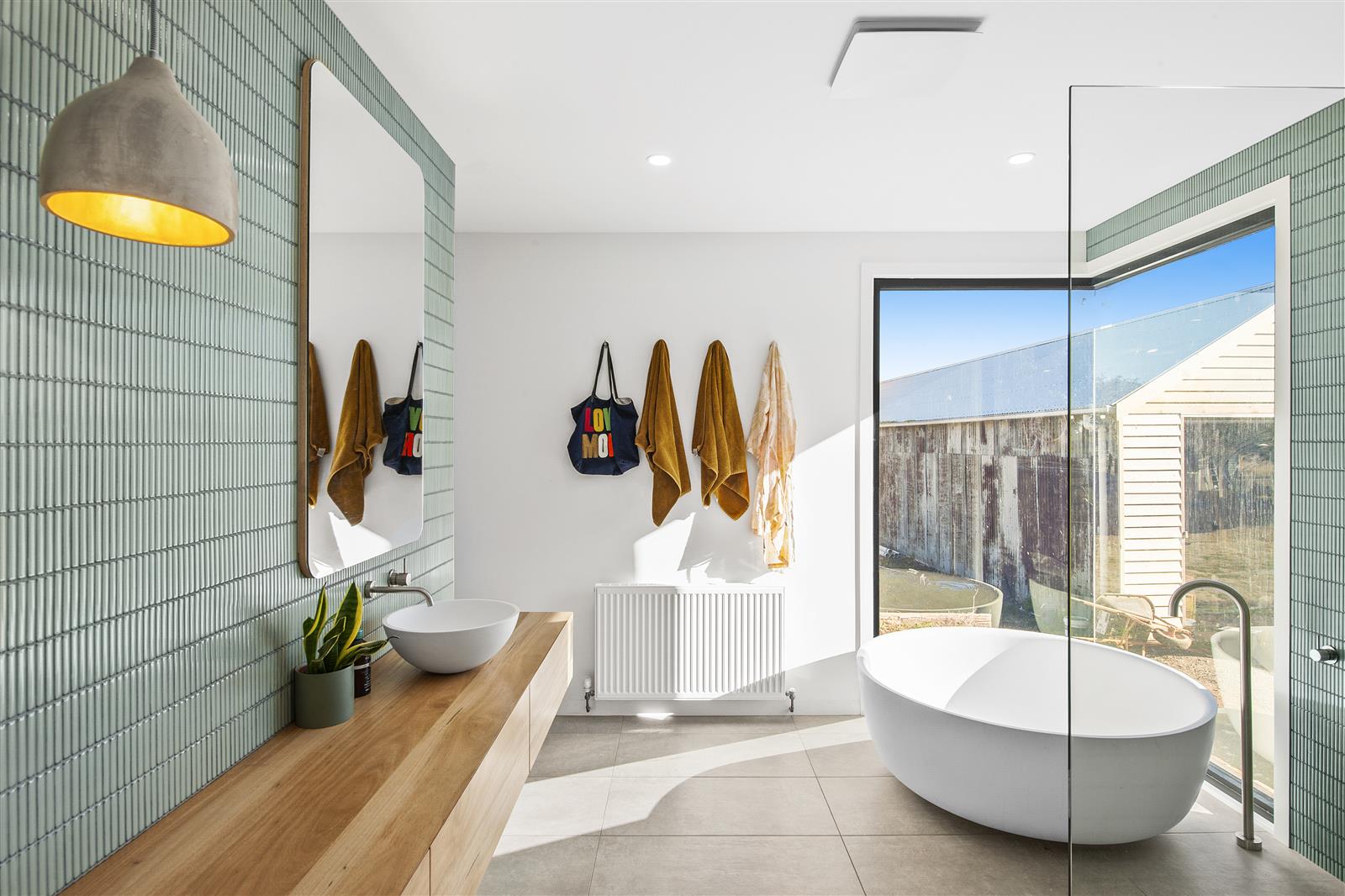
The good news is that achieving a luxurious, modern bathroom does not require a blank check. By adopting a strategic approach, understanding where to save money, and knowing exactly where to invest your hard-earned funds, you can complete a stunning renovation that fits your financial boundaries. Here is your comprehensive guide to master a bathroom renovation on a budget.
1. Establish Your Financial Baseline and Contingency
Every successful budget-friendly renovation begins with a realistic financial roadmap. Without a clear boundary, it is incredibly easy to fall victim to “scope creep,” where minor upgrades gradually inflate your final bill.
Map Out a Fixed Budget
Look at your finances and determine a firm maximum spending limit. Once you have that number, subtract 20% immediately and set it aside as a contingency fund. Older bathrooms frequently hide unpleasant surprises behind their walls, such as slow pipe leaks, water-damaged drywall, or outdated wiring that does not meet current building codes. If you discover mold or rot during the demolition phase, your contingency fund ensures the project can keep moving forward without causing financial panic.
Differentiate Between Wants and Needs
Create a two-column list. Under “Needs,” place non-negotiable items like fixing a leaking shower pan, replacing a cracked toilet, or improving poor ventilation. Under “Wants,” place cosmetic desires like heated floors, high-end designer tile, or smart mirrors. Address the needs first; if your budget has breathing room as the project nears completion, you can begin pulling items from your wants list.
2. The Golden Rule: Keep the Existing Layout
If you want to save thousands of dollars instantly on your bathroom renovation, leave the plumbing fixtures and structural walls exactly where they are.
Avoid Moving the Plumbing Stack
The most expensive aspect of a bathroom remodel is moving the heavy utility lines, such as the toilet drain, the shower drain, or the main water supply lines. Relocating a toilet even a few inches can require cutting into floor joists, re-routing stack pipes, and hiring a master plumber for days on end.
Design Around the Footprint
By keeping your toilet, sink, and shower in their original positions, you eliminate a massive portion of the professional labor costs. You can still completely replace the old toilet, sink, and shower fixture with stunning modern equivalents; you are simply utilizing the existing infrastructure. This allows you to reallocate those massive plumbing savings into higher-quality finishes that are visible to the eye.
3. Master the Balance of Saving and Splurging
A budget bathroom renovation should never look cheap. The secret to achieving a high-end aesthetic on a budget is knowing how to balance cost-effective materials with a few well-placed, premium splurges.
Where to Save: Tile and Large Surfaces
Tile can quickly become an expensive line item, especially if you fall in love with handmade cement or natural marble tiles. To save money, use classic, inexpensive options like ceramic subway tile for the majority of your shower walls. Subway tile is timeless, highly affordable, and looks clean and crisp. If you want a touch of luxury, buy a small amount of premium mosaic tile and use it purely as an accent strip or for the shower niche. You get the visual impact of the expensive material without paying for square yards of it.
Where to Splurge: Hardware and Touchpoints
Spend a little extra money on the items you physically touch every single day. High-quality faucet fixtures, a heavy-duty showerhead, and solid cabinet hardware instantly elevate the perception of the entire room. A cheap faucet will leak and tarnish quickly, whereas a premium, well-crafted matte black or brushed brass faucet acts like jewelry for your vanity, tricking the eye into believing the entire space is custom-designed.
4. Refurbish Instead of Replacing
Not everything in your old bathroom needs to end up in a landfill. Refurbishing existing elements is a highly effective way to cut costs while retaining character.
Revitalize Your Vanity
A solid wood vanity frame is often built much better than cheap, modern replacements. Instead of ripping it out, consider painting the exterior with a high-quality, moisture-resistant cabinet paint. Pair the fresh paint with new modern hardware, and you will have a vanity that looks brand new for a fraction of the cost of buying a new unit.
Consider Professional Resurfacing
If your bathtub or shower tray is a dated color or has minor scratches but is otherwise structurally sound, do not pay to have it demolished and hauled away. Look into professional bathtub reglazing or resurfacing. A technician can apply a high-gloss, durable porcelain-like finish over your existing tub in a single afternoon, saving you the immense cost of buying a new tub and replacing the surrounding tile.
Conclusion
A successful bathroom renovation is not determined by how much money you spend, but by how wisely you allocate your resources. By protecting your layout to avoid costly plumbing changes, creating an ironclad contingency fund, prioritizing functional repairs, and balancing affordable field tiles with high-quality hardware touchpoints, you can achieve a magazine-worthy bathroom without breaking the bank. With patience, thorough planning, and strategic decision-making, your budget bathroom remodel will provide beauty, utility, and value for many years to come.