
Gothic interior design is often misunderstood. For many, the term conjures up images of haunted houses, dimly lit castles, or teenager bedrooms covered in heavy black posters. However, true Gothic design—especially its modern adaptation—is an incredibly sophisticated, dramatic, and elegant aesthetic. Rooted in medieval architecture and the grand revival of the nineteenth century, it focuses on rich textures, architectural depth, and a moody atmosphere that feels both historic and luxurious.
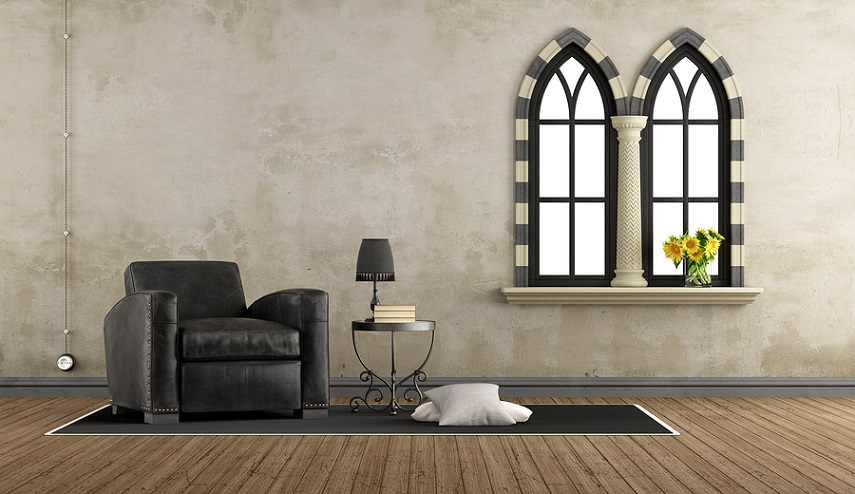
Bringing the Gothic style into a contemporary home is not about creating a dark cave; it is about creating a sense of drama, history, and comfort. By understanding the core elements of this design philosophy, you can transform your living space into a captivating sanctuary. Here is how to master the art of Gothic interior design.
1. Establishing the Mood with Color and Drama
The color palette is the most defining characteristic of any Gothic space. While black is undeniably a core component, a successful Gothic interior relies on a sophisticated layering of dark, moody hues rather than a single, flat shade.
Embrace Deep, Jewel Tones
To prevent your home from feeling small or oppressive, build your color scheme around rich, saturated colors inspired by gemstones and historic textiles. Deep burgundy, emerald green, ruby red, sapphire blue, and dark violet serve as excellent base colors for walls, upholstery, and drapery. These tones absorb light beautifully, creating an intimate and cozy atmosphere that feels intentional and high-end.
Use Black as a Sophisticated Accent
Instead of painting every wall solid black, use black strategically to ground the room. Consider matte black trim, dark wooden floors, or a bold accent wall. Matte finishes absorb light and create depth, while high-gloss black elements on doors or furniture can add a touch of modern glamour, reflecting light just enough to create visual contrast.
2. Textures, Fabrics, and Material Sophistication
Because Gothic design relies heavily on dark color schemes, the key to keeping the space visually interesting is texture. Without a variety of tactile surfaces, a dark room can quickly look flat and uninspiring.
Incorporate Luxurious Textiles
Gothic interiors are synonymous with opulence. When selecting fabrics for curtains, cushions, and furniture, prioritize heavy, luxurious materials. Velvet is an absolute staple of the style, offering a soft texture that catches the light beautifully. Brocade, damask, silk, and faux fur add further layers of complexity. Long, pooling drapes hanging from high rods not only add dramatic flair but also draw the eye upward, mimicking the verticality of historic Gothic cathedrals.
Integrate Natural Materials and Metals
Incorporate rich, dark wood species like mahogany, walnut, or stained oak for furniture and shelving. Distressed or intricately carved wood pieces instantly add a sense of history. For metallic accents, steer away from bright yellow gold or shiny chrome. Instead, opt for wrought iron, brushed brass, pewter, or antiqued bronze. These materials bring an authentic, old-world weight to the design.
3. Architectural Details and Dramatic Lighting
Gothic design is fundamentally rooted in architecture. In the medieval era, the style was defined by pointed arches, ribbed vaults, and flying buttresses. While you do not need to alter the structural foundations of your home, you can introduce elements that echo these classic features.
Focus on Verticality and Curves
Look for furniture and mirrors that feature pointed arches or intricate, ornate frames. Crown molding, wainscoting, and decorative ceiling medallions are excellent ways to introduce architectural interest to standard drywall rooms. Large, ornate mirrors not only serve as statement pieces but also help bounce light around the room, ensuring the dark color palette does not feel claustrophobic.
Layer Your Lighting for Atmosphere
In a Gothic home, lighting should never be harsh or clinical. Avoid relying solely on bright, overhead recessed lights. Instead, focus on layered, ambient lighting. A grand chandelier—perhaps made of wrought iron or adorned with dark crystals—makes a perfect centerpiece for a dining or living room. Supplement this with wall sconces, heavy table lamps, and plenty of candles. The flickering glow of candlelight against dark walls is essential for achieving that signature, romantic Gothic ambiance.
Conclusion
Modern Gothic interior design is a celebration of history, drama, and quiet luxury. It invites homeowners to step away from the sterile minimalism of recent years and embrace bold colors, intricate details, and deeply personal spaces. By layering rich jewel tones, incorporating luxurious fabrics like velvet, and focusing on dramatic, atmospheric lighting, you can create a home that feels incredibly unique and timeless. Gothic design proves that darkness, when handled with thought and sophistication, can be exceptionally beautiful and welcoming.